
Description
A 60 minute unit introduction where students model atomic structure, use periodic table patterns to predict properties, distinguish elements/compounds/mixtures, and explain chemical reactions and conservation of mass using models and data.
Learning Objectives
-
Model atomic structure including protons, neutrons, and electrons with correct locations and charges.
-
Use periodic table patterns (groups and periods) to predict basic element properties and reactivity tendencies.
-
Distinguish elements, compounds, and mixtures using particle arrangement models and separation ideas.
-
Explain chemical reactions, evidence of chemical change, and conservation of mass using models and balanced equations.
Content Preview
Preview of the PRISM content
Essential Question: How do the properties of matter relate to its atomic and molecular structure? Today we build models that connect particles (atoms) to what we observe (properties and reactions).
atom, proton, neutron, electron, atomic number, periodic table, chemical bond, reactant, product, conservation of mass, endothermic, exothermic
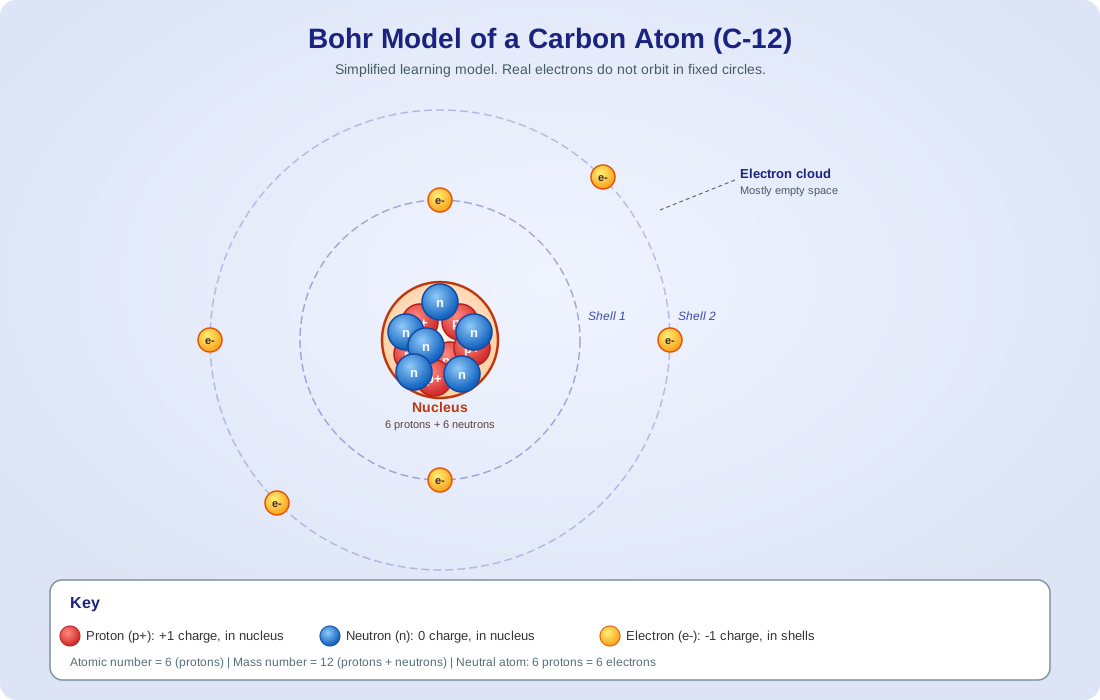
An atom has a tiny, dense nucleus containing protons (positive) and neutrons (no charge). Electrons (negative) are found in the space around the nucleus. Atomic number identifies an element because it equals the number of protons.
Answer Q-A1 through Q-A3.
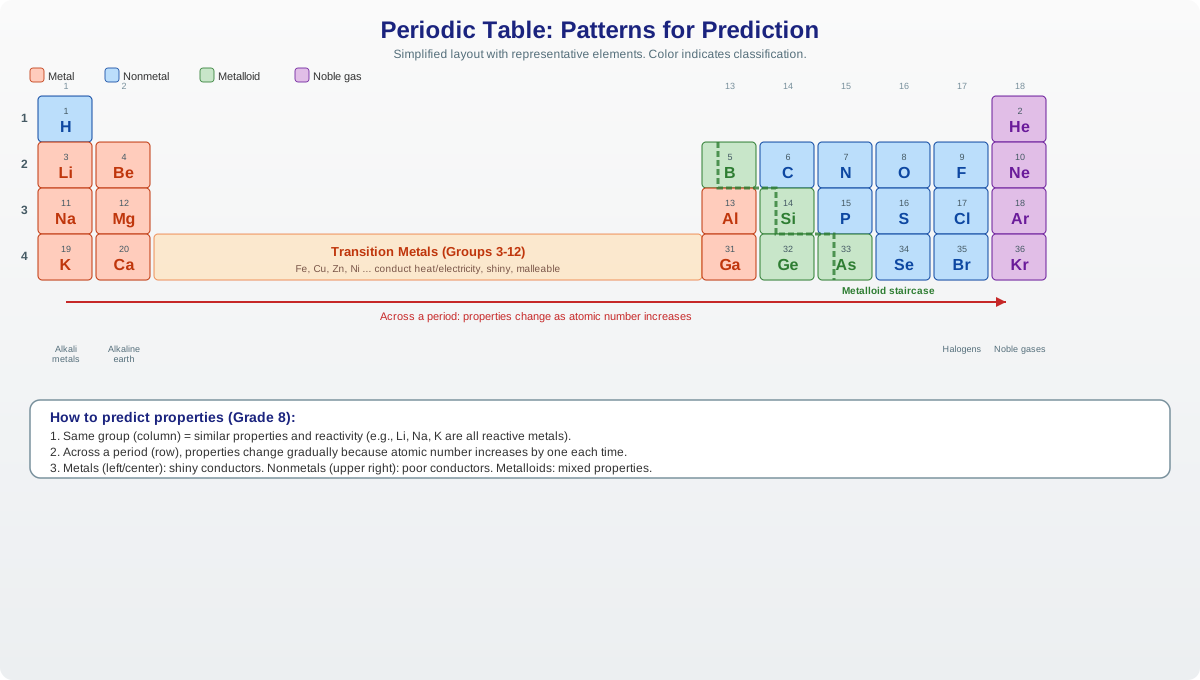
The periodic table organizes elements by atomic number. Elements in the same group often have similar properties and reactivity. Across a period, properties change gradually as atomic number increases.
Answer Q-B1 through Q-B3.
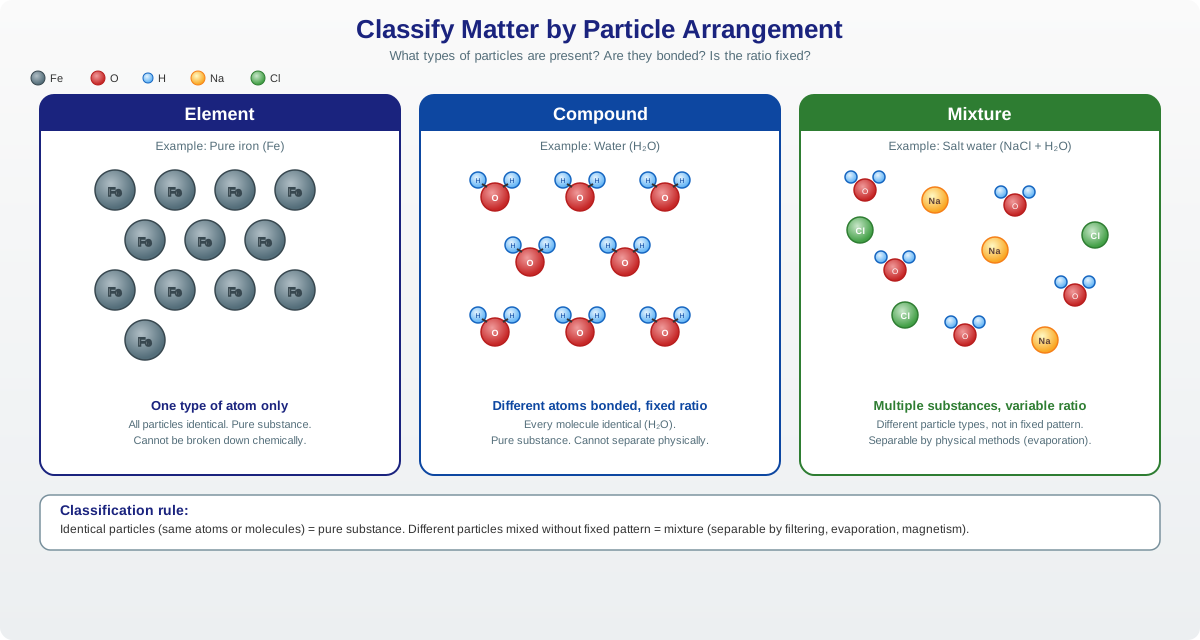
An element contains one type of atom. A compound contains two or more different atoms chemically bonded in a fixed ratio. A mixture contains multiple substances together without a fixed ratio and can often be separated by physical methods.
Answer Q-C1 through Q-C3.
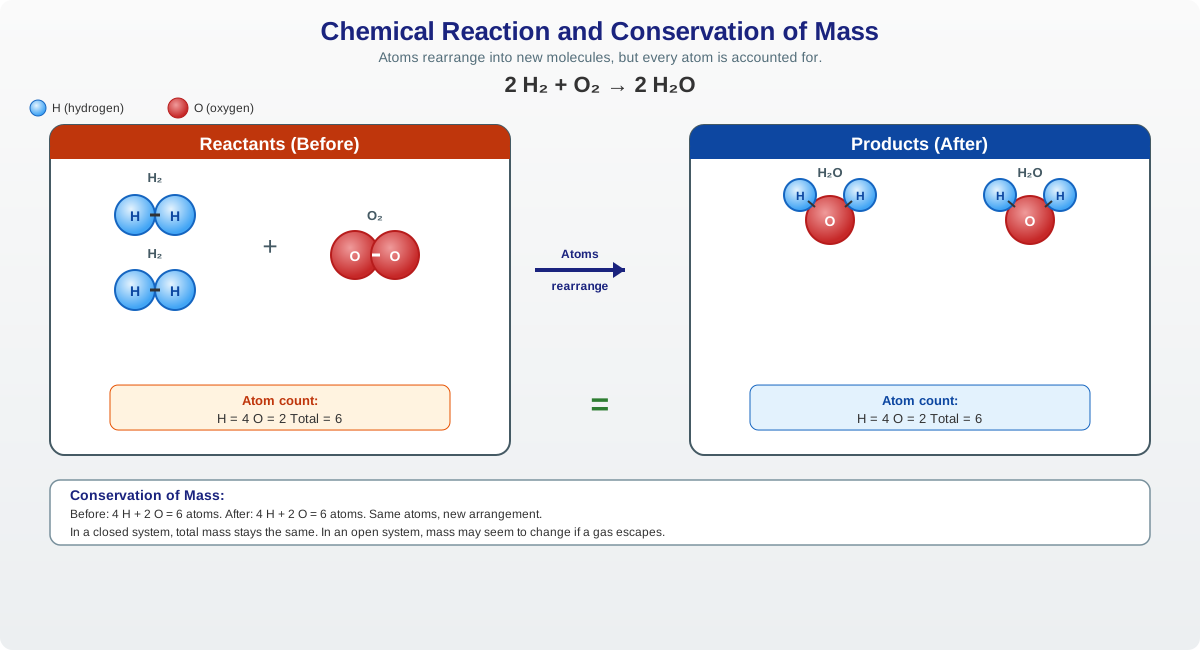
A chemical reaction rearranges atoms to form new substances (products) from starting substances (reactants). Evidence can include gas formation, precipitate, color change, and energy change. In a closed system, mass is conserved because atoms are conserved.
Answer Q-D1 and Q-D2.
Answer Q-EXIT-1 and Q-EXIT-2.
Assessment Questions
13 questionsWhich subatomic particle determines the atomic number of an element?
Select all correct statements about subatomic particles.
Why is the nucleus described as dense, even though it is very small?
Elements in the same group (column) on the periodic table often share:
Use the idea of atomic number to explain why the periodic table has repeating patterns across periods (rows).
Standards Alignment
Resource Details
- Subject
- Science
- Language
- EN-US
- Author
- Kris Tyte
- License
- CC-BY-4.0
- PRISM ID
- nc8-matter-interactions-unit-intro